


Why people stay on the mats
Method
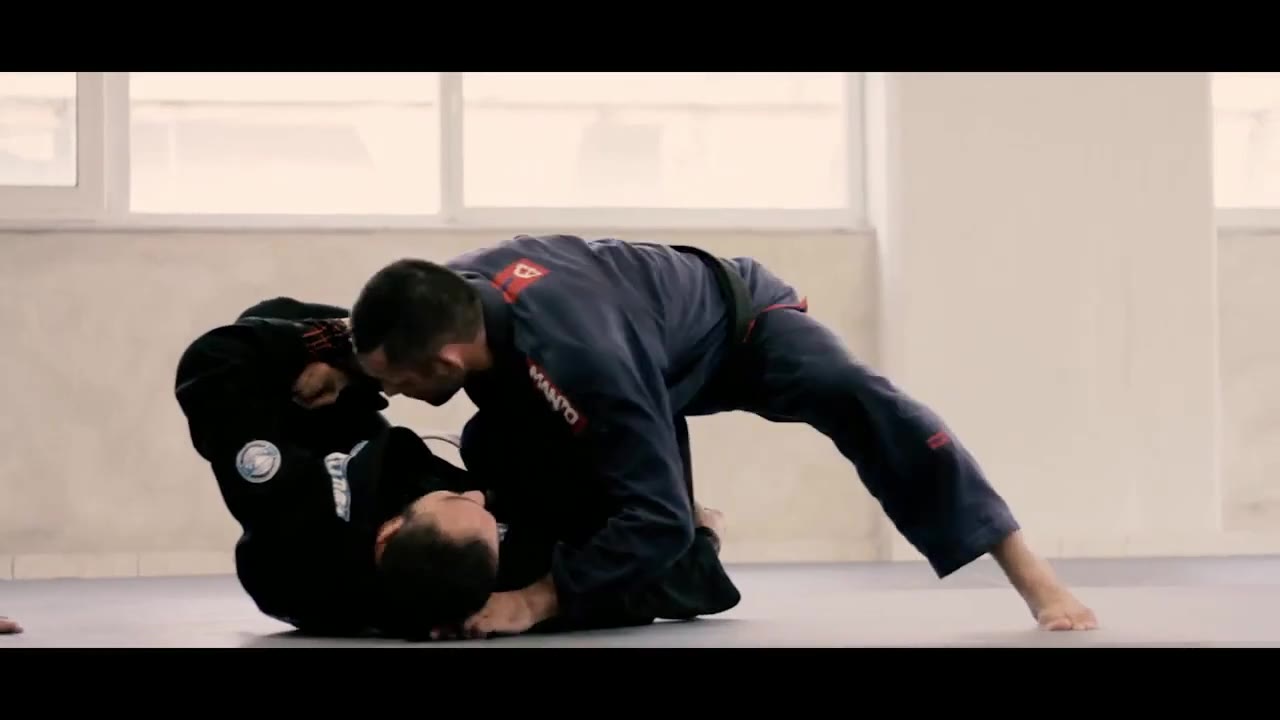
Jiu-jitsu is technique before strength. That is what makes it work for a smaller person against a bigger one — and what makes it worth training for decades rather than months.
01 — What it gives you
Six reasons
people start
01
Confidence
Jiu-jitsu builds strong character, confidence and discipline — qualities that apply on and off the mats.
02
Self-defence
A self-defence art based on technique, made for situations where you are smaller or weaker than the other person.
03
Less stress
Training releases endorphins, which lift well-being and cut stress and anxiety. You leave the mat more energised than you arrived.
04
Whole-body strength
A round of jiu-jitsu uses the entire body, which is what builds real, usable muscle tone.
05
Conditioning
Ground work combined with aerobic training improves cardiovascular capacity class after class.
06
A real workout
Aerobic work, strength and flexibility in one session — between 500 and 1,200 calories in a class, trained regularly.
02 — The path
Five belts.
No shortcuts.
Every adult starts at white. These are the minimums set by the IBJJF, the sport's governing body. Most people take longer, and that is the point: the belt tells you how much time you have put in on the mat.
White
Survive, escape, stay safe. Learn the positions and how to train with a partner.
Blue
The fundamentals are in place. Now you build a game of your own.
Purple
Connecting techniques into systems, and starting to help others learn.
Brown
Refining the details. Few holes left, and you know where they are.
Black
Not the end. David has trained since 1995 and earned his 4th degree on it.
Kids 5–12 · their own belt system
Children progress through grey, yellow, orange and green belts, each with its own stripes, and move into the adult system at 16. Minimum ages and times follow the IBJJF graduation system; promotion is always at the coach's discretion.
03 — How we teach
Technique
over strength
Beginners start with the positions, the escapes and the habits everything else is built on. Nothing is skipped to make a class look impressive.
From there the intermediate classes add the concepts that connect those positions, and the advanced and competition classes chain them into systems and test them in hard rounds. Drills and specific training sharpen what was taught during the week, and the Saturday open mat is where it all gets used freely.
Kids train the same art, adapted: split into ages 5–8 and 9–12, with classes built around movement, discipline and confidence rather than competition.
Your first class
No experience, no fitness level and no equipment needed. Come in comfortable clothes.